Reliable Heat Throughout Operating Hours
Commercial Heating Systems in Norwich for facilities where dependable winter climate control affects employee productivity and customer comfort
Connecticut winters demand heating systems that maintain comfortable indoor temperatures through extended cold periods, overnight freezes, and the occasional extreme cold snap that tests equipment capacity. Heating failures during business hours create immediate problems—employees bundle in coats to work, customers avoid entering cold retail spaces, and some facilities must close entirely until heat is restored. RC Mechanical Inc installs, repairs, and maintains commercial heating equipment across Norwich, addressing the specific demands of buildings that must remain comfortable throughout long winter months regardless of outdoor conditions.
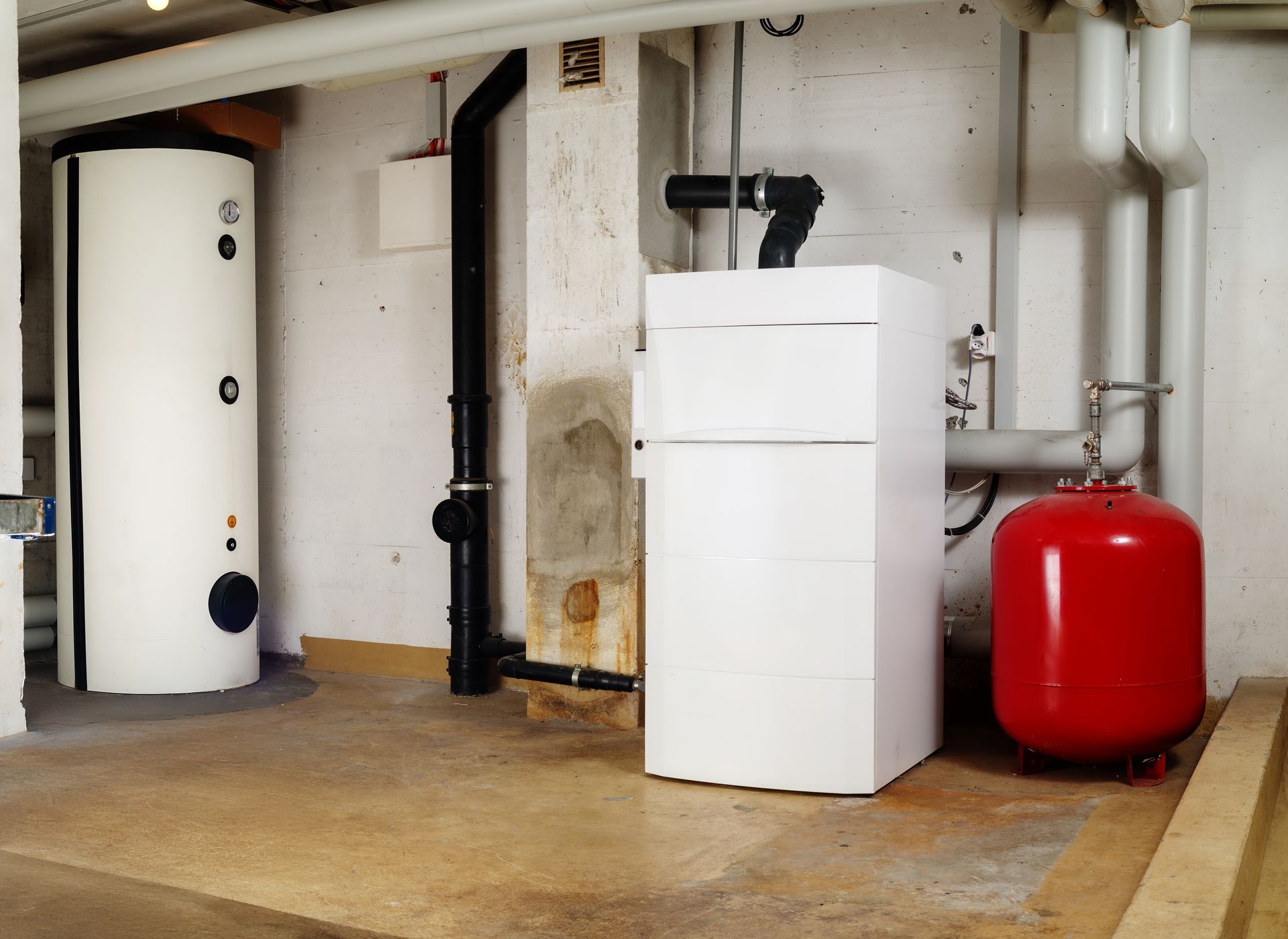
The service covers furnaces, rooftop units providing both heating and cooling, heat pumps that handle moderate temperatures efficiently but require backup during extreme cold, and boiler systems for facilities using hydronic heat. Installation work includes sizing equipment to meet the building's actual heating load during design conditions, repair service restores failed systems quickly to minimize business disruptions, and maintenance prevents mid-winter breakdowns by catching component wear before failures occur.
Request heating service to evaluate current system performance before winter demand exposes capacity or reliability issues.
What Dependable Heating Systems Accomplish
Proper heating system operation involves correctly sized equipment that meets the building's heat loss during the coldest outdoor temperatures Norwich experiences, thermostats calibrated and located away from heat sources or drafts that cause false readings, ductwork or piping that delivers heat throughout the building without excessive losses in unconditioned spaces, and controls that maintain consistent temperatures rather than allowing wide swings between heating cycles. Energy efficiency comes from equipment that modulates output to match demand rather than cycling on at full capacity then shutting off completely.
When heating systems function correctly, indoor temperatures remain stable throughout business hours even during cold outdoor conditions, occupants work comfortably without needing extra layers, fuel or electricity consumption reflects efficient operation rather than equipment running constantly to compensate for inadequate capacity, and system longevity extends because components aren't stressed by continuous operation at maximum output. RC Mechanical Inc addresses both performance issues causing immediate comfort problems and efficiency concerns affecting long-term operating costs.
Heating system maintenance includes inspecting heat exchangers for cracks that could allow combustion gases into occupied spaces, testing safety controls that shut down equipment when unsafe conditions develop, cleaning burners to maintain efficient combustion, and verifying venting systems exhaust properly. Neglected maintenance allows minor issues to worsen—a small crack in a heat exchanger expands with repeated heating cycles, eventually requiring complete furnace replacement rather than a repair that would have sufficed if caught early.
What Property Owners Usually Ask
Commercial facility heating involves considerations beyond residential systems due to larger spaces, longer operating hours, and greater consequences when equipment fails during business operations.
What types of heating systems work for commercial applications?
Forced-air furnaces heat air distributed through ductwork, rooftop packaged units combine heating and cooling in single cabinets, heat pumps extract heat from outdoor air during moderate temperatures and switch to supplemental heat during extreme cold, and boilers produce hot water or steam for hydronic systems—selection depends on building size, fuel availability, existing distribution systems, and whether cooling is also required.
How does heat pump performance change during Norwich winters?
Heat pumps operate efficiently when outdoor temperatures remain above freezing but lose capacity and efficiency as temperatures drop below 30 degrees Fahrenheit, requiring supplemental electric resistance heat or fossil fuel backup to maintain indoor comfort during extended cold periods—buildings using heat pumps need properly sized backup systems to handle peak winter heating loads.
Why do heating costs vary significantly between similar buildings?
Insulation quality and air sealing directly affect heat loss and equipment runtime, thermostat programming aligned with occupancy schedules prevents heating empty buildings, equipment efficiency ratings determine how much fuel converts to useful heat versus waste, regular maintenance keeps systems operating at designed efficiency, and ductwork leaks in unconditioned spaces waste heated air before it reaches occupied areas.
When should preventive maintenance be scheduled for commercial heating systems?
Fall maintenance before heating season begins allows technicians to identify and repair developing issues while the equipment isn't critical to building operations, avoiding emergency service calls during winter when failures leave facilities without heat and parts may be harder to source due to industry-wide demand spikes.
What indicates a heating system needs replacement rather than continued repairs?
Frequent breakdowns requiring emergency service, parts becoming obsolete and difficult to source, heat exchangers developing cracks requiring complete unit replacement for safety, declining efficiency causing operating costs to rise despite repairs, or capacity no longer meeting building needs after expansions or usage changes all signal that replacement provides better value than ongoing repair expenses.
RC Mechanical Inc services commercial heating systems throughout Norwich, providing installation, repair, and maintenance for facilities requiring dependable winter climate control. Call (860) 859-3535 to discuss your building's heating needs and current system condition.