Scheduled Service That Stops Problems Early
Preventive HVAC Maintenance in Norwich for commercial properties facing unexpected breakdowns and rising energy costs
Unplanned HVAC failures disrupt business operations, occur during peak demand periods when replacement parts and service availability are constrained, and often result from minor issues that progressed undetected until components failed completely. Preventive maintenance identifies worn parts, performance degradation, and developing problems during scheduled inspections rather than waiting for breakdowns that force reactive repairs. RC Mechanical Inc performs preventive HVAC maintenance for commercial systems across Norwich and surrounding communities, providing inspections, cleaning, testing, and performance checks designed to extend equipment lifespan and reduce unexpected failures. Office buildings, retail spaces, restaurants, and industrial facilities depend on year-round HVAC reliability, which makes proactive service more cost-effective than addressing failures after they occur.
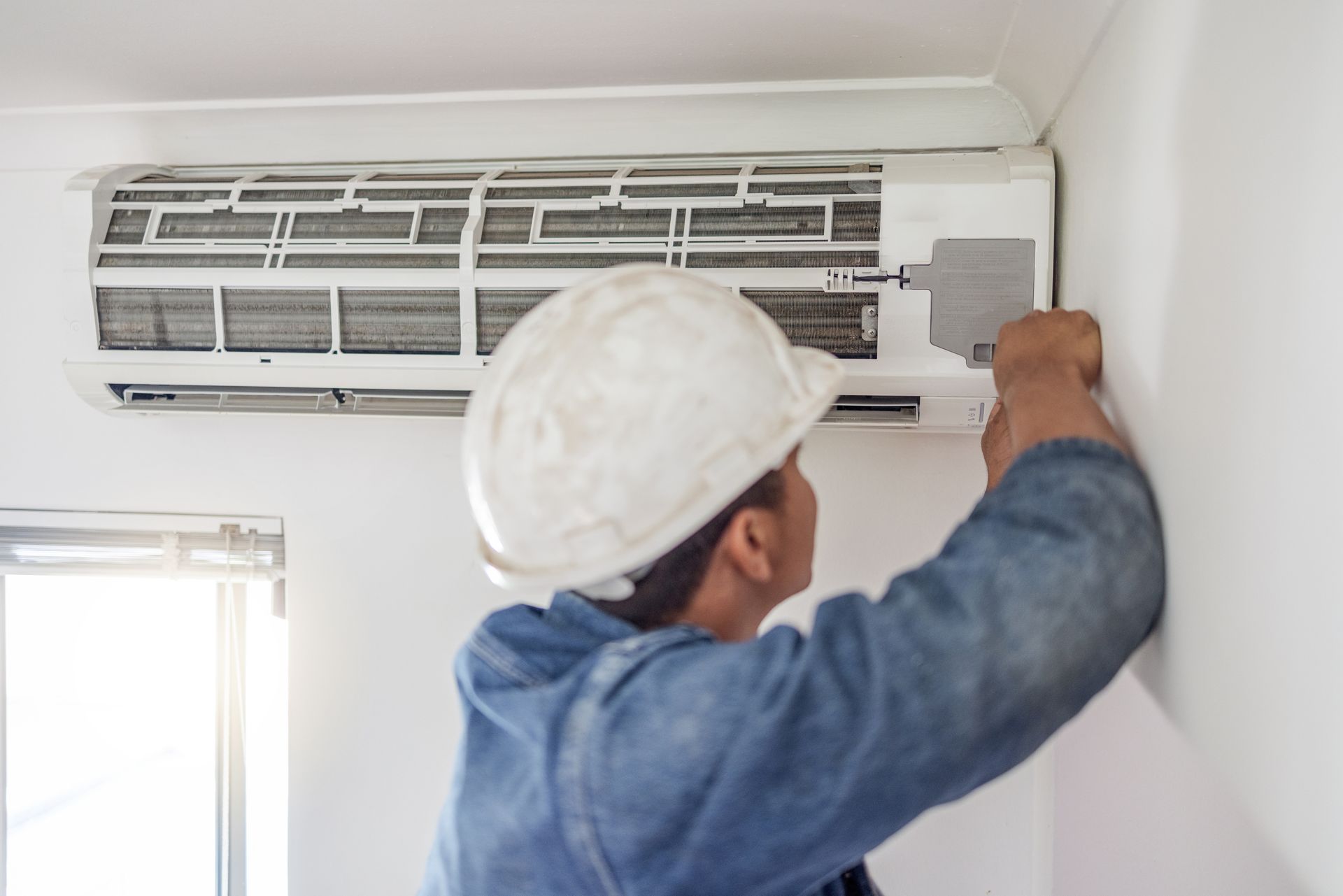
Maintenance service involves inspecting electrical connections for signs of overheating, testing capacitors and contactors that frequently wear out, measuring refrigerant pressures to detect leaks before they cause compressor damage, cleaning coils to maintain heat transfer efficiency, and verifying that safety controls function correctly. Technicians document baseline performance metrics such as amperage draw and temperature splits so future inspections reveal whether the system is degrading.
Enroll in a maintenance program to establish scheduled service that addresses equipment wear before it leads to system failures.
What You Notice Once Maintenance Is Scheduled
Comprehensive preventive maintenance includes filter replacement to maintain airflow and indoor air quality, belt tension adjustments to prevent premature wear and noise, lubrication of motors and bearings where applicable, and calibration of thermostats and control sensors that drift over time. Duct inspections identify air leaks that waste conditioned air, and combustion analysis on gas-fired equipment verifies safe and efficient operation.
After establishing a maintenance routine, your equipment starts reliably at the beginning of each season rather than failing during the first hot or cold day, energy bills stabilize because dirty coils and worn components no longer force the system to work harder than necessary, and indoor comfort remains consistent without the temperature swings that occur when systems operate in degraded condition. Fewer emergency service calls occur because technicians replace components showing wear during scheduled visits rather than waiting for them to fail unexpectedly.
Maintenance plans provide year-round reliability by scheduling service before cooling season begins and again before heating season starts, ensuring equipment is prepared for peak demand periods. The improved efficiency that results from clean coils, proper refrigerant charge, and calibrated controls reduces operating costs enough that maintenance programs often pay for themselves through lower utility bills and avoided emergency repairs.
Common Questions About This Service
Commercial property managers evaluating maintenance programs typically want to understand what's involved and how frequently service should occur.
What gets inspected during preventive HVAC maintenance?
Technicians check electrical components for signs of failure, measure refrigerant pressures and temperatures, clean or replace filters, inspect ductwork connections, test safety controls, and document equipment performance to establish a baseline for future comparisons.
How often should commercial HVAC systems receive maintenance?
Most commercial systems benefit from quarterly inspections, though facilities with critical temperature control needs or equipment operating continuously may require monthly service, while smaller systems with moderate use perform adequately with biannual maintenance.
When should businesses schedule HVAC maintenance in Connecticut?
Spring maintenance prepares cooling equipment for summer demand by cleaning condensers and checking refrigerant levels, while fall service ensures heating systems and controls are ready before cold weather creates full heating loads.
What problems does preventive maintenance catch before they cause failures?
Worn contactors that are nearing failure, capacitors showing reduced capacitance, refrigerant leaks that haven't yet affected cooling performance, and dirty coils reducing efficiency are commonly identified and addressed during routine inspections.
How does maintenance extend equipment lifespan?
Regular cleaning prevents dirt accumulation that accelerates corrosion, timely component replacement avoids cascading failures where one worn part damages others, and proper lubrication reduces friction that causes premature bearing and motor failures.
RC Mechanical Inc offers maintenance plans designed to reduce unexpected breakdowns and keep commercial HVAC systems operating efficiently year-round. Contact us to discuss a preventive maintenance schedule tailored to your facility's equipment and operating requirements.