Zone Control Without Ductwork Modifications
Mini Split Installation and Service in Norwich for commercial spaces where independent temperature zones improve efficiency and occupant comfort
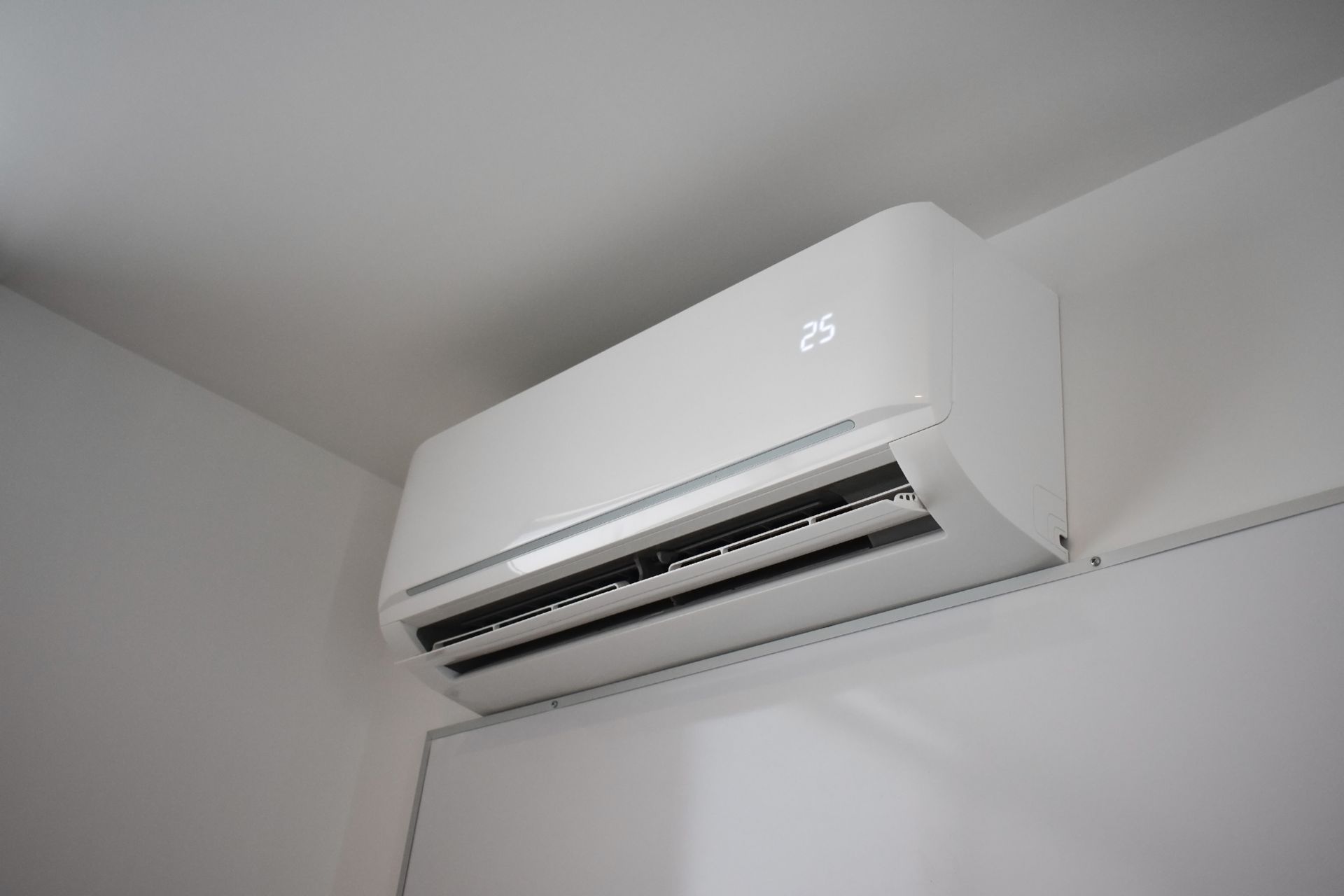
Mini split systems provide heating and cooling without requiring ductwork, making them practical for buildings where installing or extending ducts would be prohibitively expensive or structurally impractical. An outdoor condensing unit connects via refrigerant lines to one or multiple indoor air handlers mounted on walls or ceilings, with each handler operating independently to control temperature in specific zones. This approach solves common commercial problems—conference rooms that overheat during meetings, server rooms requiring consistent cooling regardless of building-wide HVAC settings, retail areas needing different temperatures than back offices, and additions where extending existing ductwork isn't feasible. RC Mechanical Inc installs and services mini split systems across Norwich for offices, retail spaces, and specialty applications where zoning or duct limitations make conventional systems impractical.
The systems include installation for new equipment, repairs when components fail or performance declines, and maintenance that keeps modern inverter-driven compressors and multi-zone configurations operating efficiently. Flexible installation places indoor units where they're needed without major structural modifications, and zoning capability allows different spaces to maintain different temperatures based on actual usage patterns rather than forcing the entire building to one setpoint.
Schedule a consultation to review where mini split systems would address specific temperature control challenges in your facility.
What Changes After Mini Split Systems Are Installed
Installation involves mounting the outdoor unit on a pad or wall bracket with adequate airflow clearance, drilling a small penetration through the exterior wall for refrigerant lines and control wiring, mounting indoor air handlers in optimal locations for airflow coverage without creating drafts at workstations, connecting refrigerant lines between components using proper brazing and insulation techniques, running condensate drains to appropriate termination points, and charging the system with refrigerant according to manufacturer specifications for the total line length. Multi-zone systems require balancing refrigerant distribution across multiple indoor units to ensure each achieves proper cooling and heating capacity.
After installation, spaces that were previously too hot or too cold reach comfortable temperatures independently from the rest of the building, occupants control their immediate work area climate without affecting other zones, energy consumption decreases because the system heats or cools only occupied spaces rather than conditioning the entire building uniformly, and areas with high heat loads like kitchens or server rooms maintain appropriate temperatures without overcooling adjacent spaces. The systems provide both heating and cooling year-round, functioning efficiently during moderate weather when full-scale rooftop units would cycle on and off wastefully.
Maintenance for mini split systems includes cleaning filters in indoor units monthly to maintain airflow and efficiency, periodically washing coils that accumulate dust reducing heat transfer, checking refrigerant pressures and temperatures to verify proper charge, inspecting condensate drains for blockages that cause water damage, and testing inverter-driven compressors that modulate capacity based on demand. These systems use different technology than conventional units, requiring familiarity with variable-speed components and multi-zone control logic during troubleshooting.
Questions Before Starting Your Project
Businesses considering mini split systems need to understand how zoning works, what installation involves, and how these systems compare to traditional HVAC equipment for specific applications.
What advantages do mini split systems offer for commercial spaces?
Independent zone control allows different areas to maintain different temperatures based on actual needs, installation requires minimal structural modification compared to ductwork, efficiency remains high because inverter compressors modulate output rather than cycling on and off at full capacity, and systems provide both heating and cooling from the same equipment eliminating separate furnaces and air conditioners.
How many zones can a single outdoor unit support?
Residential mini splits typically support one to five indoor units per outdoor condenser, while commercial-grade systems handle up to eight or more zones depending on the model and total capacity required—each indoor unit operates independently with its own thermostat, allowing simultaneous heating in one zone and cooling in another if needed.
Why are mini splits effective for server rooms and IT spaces?
Server equipment generates heat continuously regardless of season or outdoor temperature, requiring consistent cooling year-round—mini splits provide dedicated cooling for these spaces without forcing the building-wide HVAC system to overcool other areas, and independent operation ensures IT cooling continues even when the main system shuts down during unoccupied hours.
What maintenance do mini split systems require?
Indoor unit filters need cleaning or replacement monthly in commercial applications with higher airflow volumes and dust levels, condensate drains should be verified clear to prevent water damage from blockages, outdoor unit coils require periodic cleaning to maintain heat rejection efficiency, and refrigerant charge should be checked annually to catch slow leaks before they significantly degrade performance.
How does mini split efficiency compare to traditional HVAC in Norwich's climate?
Modern inverter-driven mini splits achieve high efficiency ratings by modulating compressor speed to match load rather than cycling on and off, but efficiency advantages are greatest in moderate weather—during extreme cold below 15 degrees Fahrenheit, heat pump efficiency declines and supplemental heat may be required depending on the specific model's low-temperature performance ratings.
RC Mechanical Inc provides mini split installation and service throughout Norwich for commercial applications requiring flexible zoning and efficient temperature control. Arrange a service appointment to discuss mini split options for your specific space conditioning needs.