
Reclaiming Energy That Would Otherwise Vent Outside
Heat Recovery Systems in Norwich for commercial facilities seeking lower operating costs through waste heat reuse
Connecticut's heating-dominated climate means commercial buildings expel substantial energy through exhaust air during winter months, while summer cooling similarly rejects heat that could offset other loads. Heat recovery systems capture this waste energy and redirect it to reduce heating and cooling demand, which lowers utility costs and improves overall system efficiency. RC Mechanical Inc installs and services commercial heat recovery equipment throughout Norwich and nearby areas, integrating heat recovery technology into existing and new commercial HVAC systems for facilities where energy costs represent a significant operational expense. Manufacturing plants, food processing facilities, and buildings with high ventilation requirements see the most immediate impact because their exhaust volumes contain recoverable energy that offsets incoming air conditioning loads.
Heat recovery service involves installing heat exchangers that transfer energy between exhaust and supply airstreams, configuring controls to optimize recovery based on outdoor conditions, and maintaining equipment so heat transfer surfaces remain clean and efficient. Systems must be properly sized and positioned to capture exhaust air before it leaves the building while delivering recovered energy where it reduces the primary heating or cooling load.
Schedule an evaluation to determine whether heat recovery solutions would reduce energy costs for your facility's operating profile.
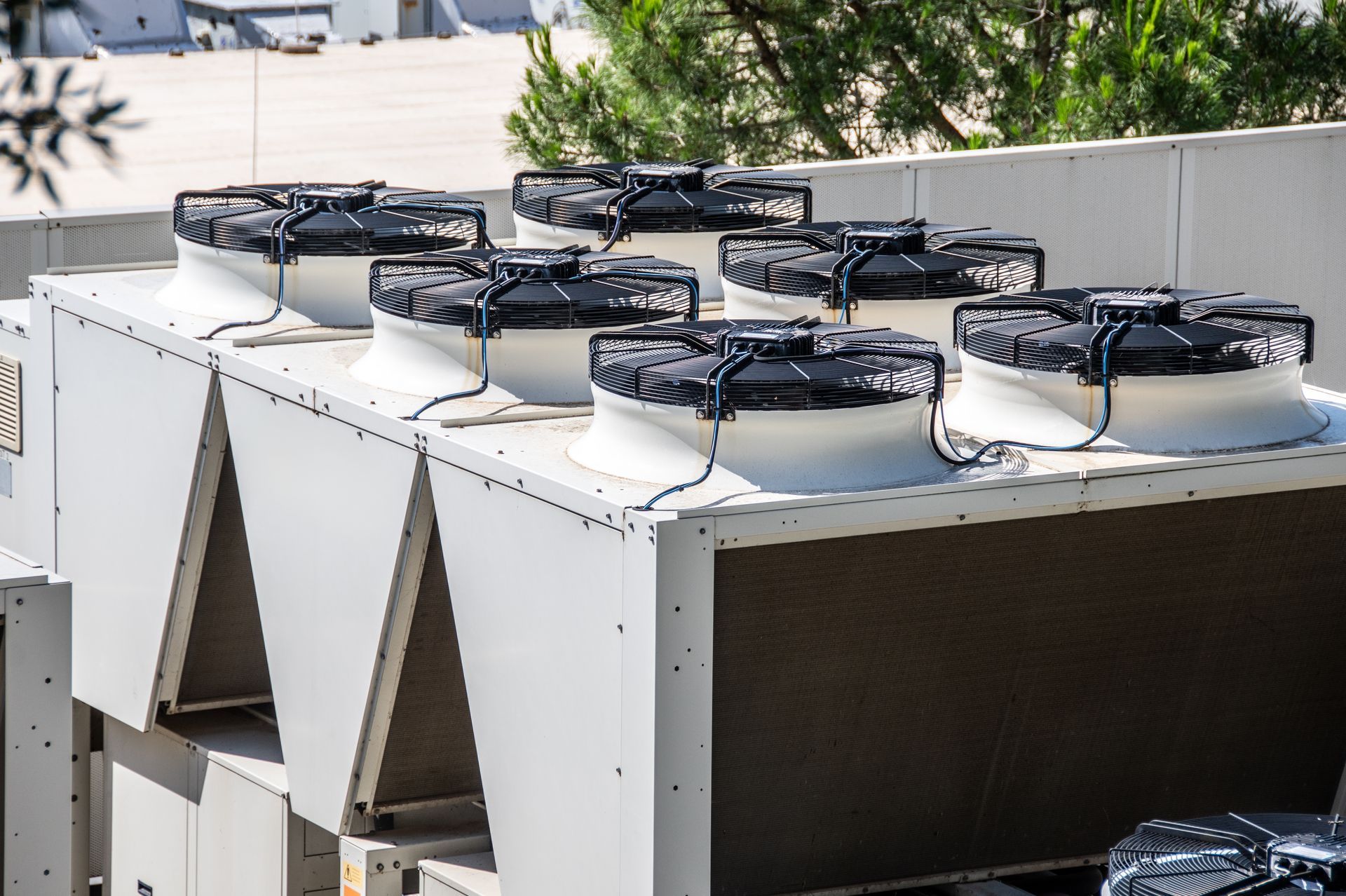
Why Heat Recovery Technology Works for Energy Reduction
Effective heat recovery installations capture exhaust air from spaces generating excess heat or requiring continuous ventilation, pass it through heat exchangers that transfer thermal energy to incoming fresh air, and return conditioned supply air to occupied zones. The recovered energy reduces the load on boilers, furnaces, or air conditioning equipment because incoming air arrives closer to desired temperatures rather than requiring full conditioning from outdoor conditions.
After heat recovery systems are operating, you notice that heating equipment runs less frequently during cold weather because exhaust heat preheats incoming ventilation air, and cooling loads decrease during mild weather when recovered cool exhaust air tempers warm outdoor air. Utility bills reflect reduced energy consumption during shoulder seasons when heat recovery provides the greatest offset, and equipment wear decreases because primary HVAC systems cycle less often to meet loads.
Maintenance and repairs keep heat recovery equipment operating efficiently by cleaning heat exchanger surfaces where dust accumulation reduces transfer effectiveness, replacing filters that protect exchanger cores, and verifying that dampers and controls modulate correctly so the system bypasses heat recovery during conditions when it would increase rather than decrease energy use. Proper integration means the heat recovery system complements rather than conflicts with existing HVAC controls.
What Property Owners Usually Ask
Facility managers considering heat recovery often want to understand how the technology fits into their current systems and what savings justify the investment.
What types of facilities benefit most from heat recovery systems?
Buildings with high ventilation requirements such as restaurants with commercial kitchens, manufacturing facilities with process exhaust, and warehouses requiring continuous outdoor air makeup see the fastest payback because their exhaust volumes contain substantial recoverable energy.
How does heat recovery integrate with existing HVAC equipment?
Heat recovery units install in ductwork between exhaust outlets and outdoor discharge points, transferring energy to supply air ducts without requiring modifications to existing heating or cooling equipment, though controls must coordinate to prevent simultaneous heating and cooling.
When does heat recovery provide the greatest energy savings?
Winter months in Norwich provide maximum benefit as exhaust heat preheats cold outdoor air, reducing boiler or furnace loads, while summer recovery reduces cooling demand during early morning and evening hours when outdoor temperatures drop but indoor spaces still require ventilation.
What maintenance does heat recovery equipment require?
Heat exchanger cores need periodic cleaning to remove dust and lint that accumulate and reduce thermal transfer efficiency, and filters require replacement on schedules based on airstream contamination levels to protect heat transfer surfaces.
How much do heat recovery systems reduce operating costs?
Savings depend on exhaust air volumes, temperature differentials, operating hours, and local utility rates, but facilities with continuous high-volume exhaust commonly see ten to twenty percent reductions in heating and cooling costs after installation.
RC Mechanical Inc provides maintenance and repairs to keep heat recovery equipment operating efficiently while helping businesses improve sustainability and reduce energy expenses. Reach out to schedule a facility evaluation and discuss heat recovery opportunities specific to your operation.