Equipment Matched to Building Load
HVAC Installation in Norwich for new construction projects and equipment upgrades where system sizing determines long-term performance
A commercial building's HVAC system must be sized to match its actual heating and cooling load, not estimated based on square footage alone. RC Mechanical Inc handles HVAC installation across Norwich for businesses replacing failing equipment or outfitting new construction, where incorrect sizing leads to years of inefficiency, premature failures, and occupant discomfort. Oversized systems cycle on and off too frequently, never running long enough to remove humidity effectively, while undersized systems run continuously during peak seasons and still fail to maintain setpoints.
The installation process includes detailed load calculations that account for insulation levels, window area and orientation, internal heat from lighting and equipment, occupancy density, ventilation requirements, and operating hours. This data determines the correct equipment capacity and ensures the system delivers consistent performance without wasting energy or experiencing shortened service life from improper operation.
Request an installation estimate to review equipment options and sizing requirements for your building's specific conditions.
What You Notice Once Installation Is Finished
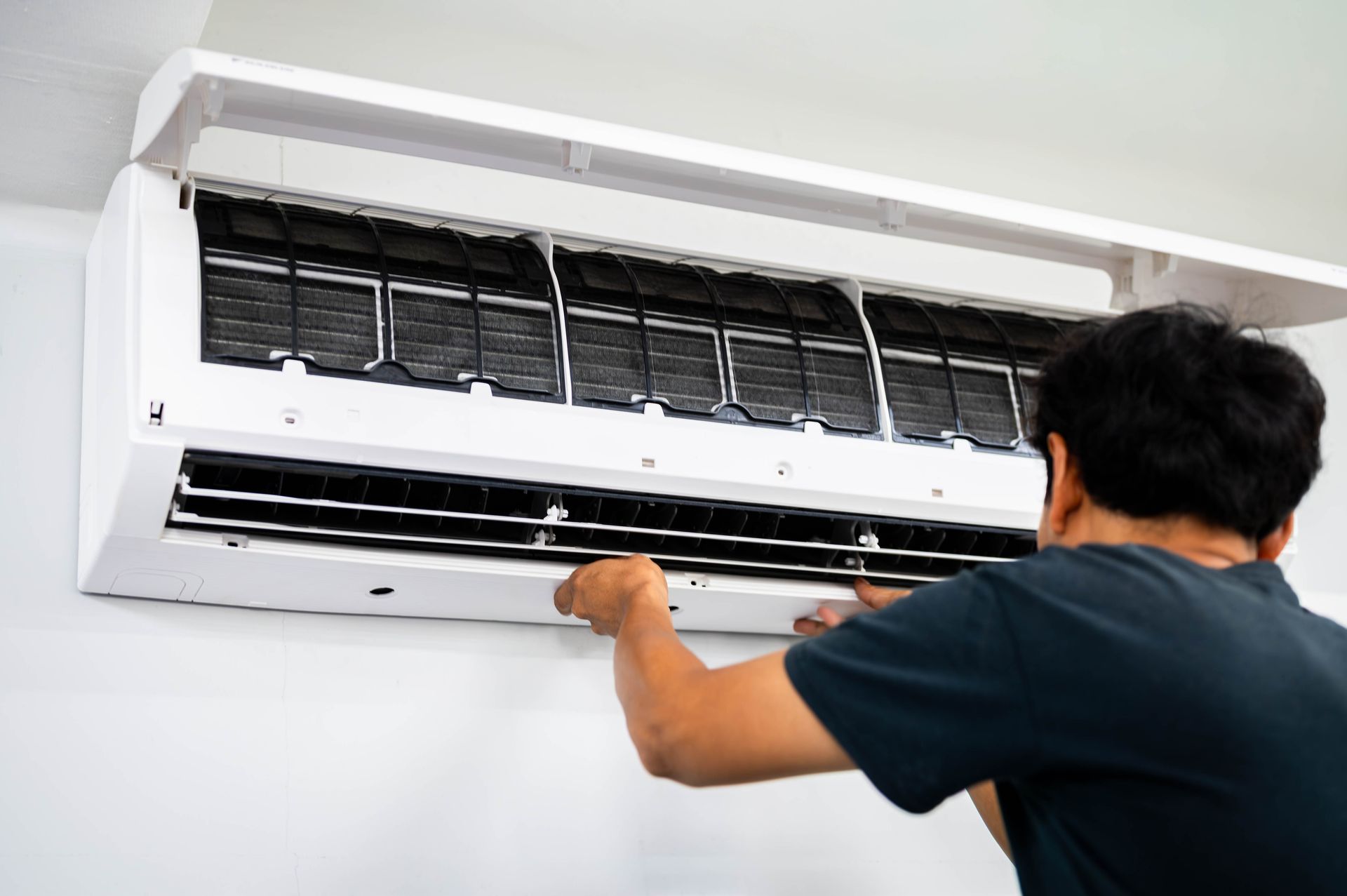
The work involves removing old equipment if applicable, positioning new units to optimize airflow and service access, connecting refrigerant lines with proper brazing techniques that prevent leaks, installing or modifying ductwork to match the new system's airflow requirements, wiring controls and thermostats, charging the system with the correct refrigerant type and quantity, and testing all operating modes under load to verify performance before turning the building over. Coordination with construction schedules or business operations ensures the installation proceeds without unnecessary disruptions.
After installation completes, the building reaches target temperatures consistently during occupied hours, humidity levels stay within comfortable ranges rather than feeling clammy in summer, temperature swings between cycles diminish because the system runs appropriate durations, and utility costs reflect efficient operation rather than equipment working harder than necessary. Quality workmanship shows in joints that don't develop refrigerant leaks, ductwork connections that don't separate or whistle, and controls that respond accurately to thermostat inputs.
New installations typically include manufacturer warranties covering equipment defects, but warranty terms vary by brand and component type. System commissioning documents baseline performance metrics that help identify future efficiency declines during maintenance visits, and proper installation extends equipment lifespan by ensuring components operate within designed parameters from the start.
Answers to Installation Planning Questions
Businesses considering new HVAC equipment need to understand how installation timing, equipment selection, and system design affect both upfront costs and long-term operating expenses.
What determines the timeline for a commercial HVAC installation?
Project duration depends on equipment availability, whether ductwork requires modification or replacement, the complexity of electrical and control system integration, coordination with other trades on new construction sites, and whether the building must remain operational during installation—larger systems or phased installations to avoid business interruptions extend the schedule.
How does equipment efficiency affect operating costs over time?
Higher-efficiency units cost more upfront but consume less energy to produce the same heating or cooling output, making payback periods shorter for facilities with long operating hours or high utility rates—efficiency ratings like SEER for cooling and AFUE for heating indicate how much energy converts to useful temperature control versus waste.
Why does ductwork condition matter during installation?
Even properly sized new equipment underperforms when connected to leaking, undersized, or poorly insulated ductwork that loses conditioned air before it reaches occupied spaces—installations often include duct sealing, resizing sections with inadequate airflow, or adding insulation in unconditioned areas to ensure the system delivers its full rated capacity.
What should businesses consider when selecting HVAC equipment?
Operating hours, occupancy patterns, indoor air quality requirements, noise tolerance in office environments, available space for equipment placement, access for future maintenance, compatibility with existing controls or building automation systems, and whether zoning would benefit areas with different heating and cooling needs all influence equipment selection.
How do Norwich winters affect commercial heating system design?
Connecticut's cold season requires heating systems that maintain comfort during extended periods of subfreezing outdoor temperatures, making heat pump supplemental heat sources, furnace sizing, and insulation quality critical factors in preventing inadequate heating capacity when outdoor conditions reach seasonal lows.
RC Mechanical Inc installs commercial HVAC systems throughout Norwich with attention to proper sizing, quality workmanship, and long-term reliability. Contact our team to discuss your installation project and equipment options.